
Pantry organization mistakes: what’s secretly creating clutter in your kitchen
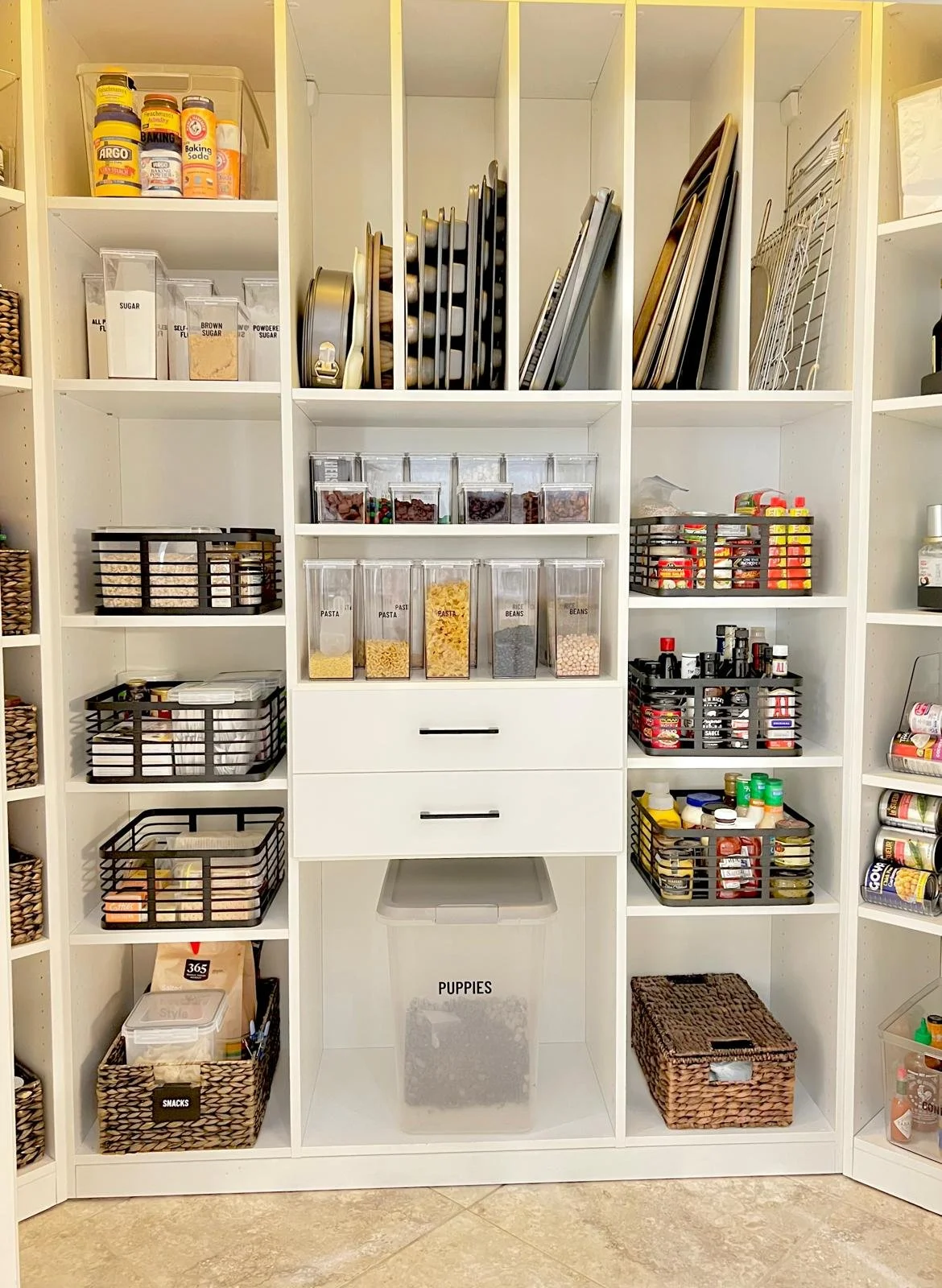
Here I want to share with you the most common pantry organization mistakes, and simple ways to create a clean, functional, and stress-free pantry that works for your daily life.
At first glance, your pantry may look good or “organized enough.” But behind closed doors, hidden clutter often builds up quietly: expired products, duplicate purchases, overcrowded shelves plus random items that don’t make sense and have no real system.
And while it may seem like a small part of the kitchen, a disorganized pantry can affect your daily routine more than you even realize. It creates stress, more time invested, and often leads to unnecessary spending.
But now it's time to share the good news: you don’t need a giant walk-in pantry or dozens of matching containers to make it functional and prettier. Small changes can completely transform the way it looks and feels.
And trust me, that feels wonderful.
Check on the most common pantry organization mistakes and simple ways to fix them below.
1. Buying organizers before measuring your space
It’s easier to fall in love with beautiful storage containers online and then to realize they don’t actually fit your pantry.
The problem: wasted space and maybe money, overcrowded shelves, and a pantry that can feel visually cluttered.
The solution:
Before buying anything:
measure the width, depth, and height of your shelves
think about what products you actually use
prioritize function over aesthetics.
Sometimes fewer containers create a cleaner and calmer pantry. Find practical pantry storage ideas at The Container Store
2. Keeping expired products “just in case”
We all tend to have that forgotten sauce, old baking mix, or half-open package sitting in the back of the pantry.
The problem: takes up valuable space, makes it harder to see what you actually use, leads to duplicate purchases
The solution:
Do quick pantry check-ins regularly:
check expiration dates
group similar products together
discard what’s no longer usable.
A functional pantry starts by making room only for what truly supports your daily life.
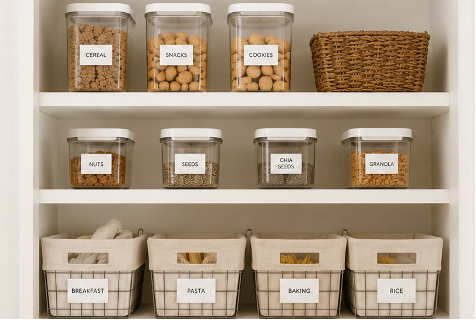
3. Not creating clear categories
When everything is mixed together, finding what you need becomes frustrating.
The problem: snacks mixed with cooking ingredients, open packages hidden in the back, and constant products chaos.
The solution:
Create simple categories like:
snacks
breakfast items
pasta and grains
canned foods
meal prep essentials
soon to expire
baking supplies
spices.
You don’t need perfect labels, just a thoughtful system that feels intuitive and easy to maintain.
4. Overfilling the shelves
Trying to use every inch of pantry space often backfires.
The problem: you can’t see what you have, products fall over, the pantry feels loaded.
The solution:
Leave a little breathing room between categories. Visual space makes a pantry feel calmer, cleaner, and easier to keep up with.
5. Buying too much because you can’t see what you already have
Many pantry problems actually start at the grocery store.
The problem: duplicate purchases and food waste.
The solution:
Before shopping:
quickly check your pantry
take a photo of what you already have
make a simple list of what you truly need.
6. Holding onto items that no longer fit your lifestyle
Sometimes we keep kitchen gadgets, containers, cans, sweet treats, specialty products we no longer like or use.
The problem: wasted storage space, again: visual clutter, a pantry that no longer works for your current routine or nutritional habits.
The solution:
Ask yourself:
Do I actually use this?
Would I buy it again today?
Does it make my kitchen more functional?
Does it make my health better?
If any answer is no, it may be time to let it go.
7. Not using vertical space
Many pantries have vertical storage potential that is often not considered.
The solution: definitively add some:
shelf risers
stackable bins
upper baskets
lazy susans for corners.
Good Housekeeping Pantry Ideas offers excellent visual inspiration for maximizing small pantry spaces.
Final thoughts
An organized pantry doesn’t need to look perfect to work beautifully. The goal is to create a space that supports your everyday life by making cooking easier, grocery shopping simpler, and your kitchen feel calmer overall.
When you reduce excess and create simple systems, everything becomes lighter and more helpful: your meals, your routine, and even your mindset.
Because organizing isn’t really about containers or labels, it’s about creating a home that works for you, not against you.
Start small
The next time you open your pantry, choose just one shelf. Remove what you no longer use, group similar items together, and leave a little open space in between. I believe the smallest changes can create the biggest sense of ease.