What you keep, keeps you: how having too much affects your energy and your home
Have you ever opened a drawer and felt like everything you’ve been keeping “just in case” was about to fall on top of you?
A scarf you no longer wear, cables you can’t identify, papers you might need someday… and there they are, still taking up space—and energy.
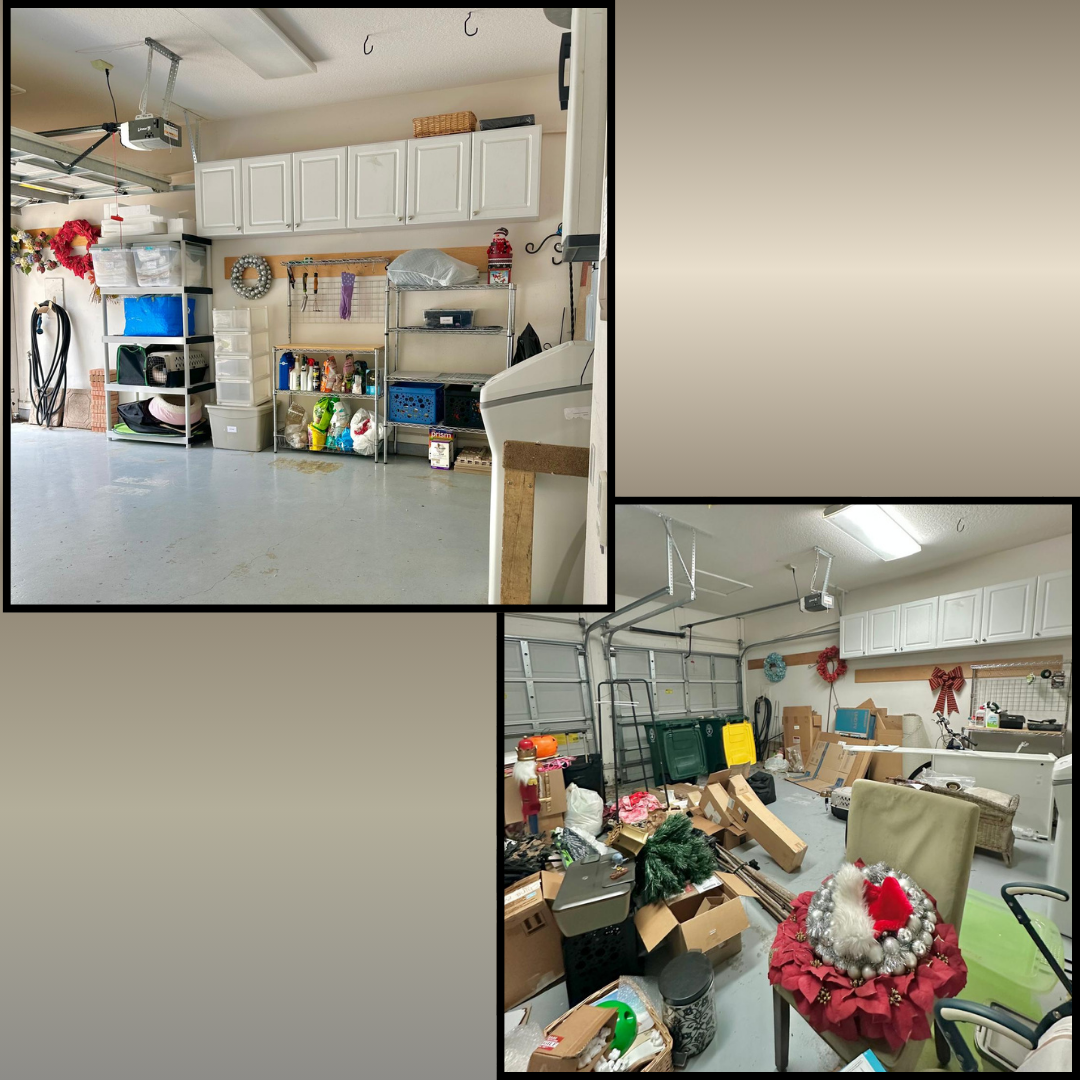
Physical clutter doesn’t just fill your shelves, it fills your vision and your mind. Every object out of place, every corner packed with unfinished things, becomes a silent reminder of something pending or unresolved.
The invisible weight of clutter
Even if you don’t notice it right away, having too much creates a constant sense of visual and mental noise. It makes it harder to focus, to rest, or to simply enjoy your space—because your surroundings feel crowded.
Our brains naturally crave order. When our environment lacks it, we go into alert mode, which heightens stress and fatigue.
Think about it:
● A desk covered in papers can make you feel like there’s always something left to do or that you cannot find smaller items easily.
● An overflowing closet can trick you into thinking you have “nothing to wear” or that it is harder to choose what to wear.
● A cluttered kitchen can take away your motivation to cook or bring you more resistance to keep it clean.
● A living room full of books, toys, magazines, shoes and coats can stop you from enjoying a good conversation with your family on the couch.
Clutter doesn’t just take up space—it drains emotional energy.
The power of letting go
Decluttering isn’t just about organizing; it’s an act of liberation. When you consciously choose what to keep and what to release, you’re also deciding what kind of life you want to live.
Letting go doesn’t mean losing—it means creating more space for what truly matters. Every time you donate, recycle, or discard something that has already served its purpose, you’re sending a powerful message: “I trust that I already have what I need.”
A mini guide to what stays and what goes
If you don’t know where to start, here’s a simple, practical guide:
1. Start small: Pick a drawer, a shelf, or a box. Don’t try to tackle everything at once.
2. Make three piles:
I use it.
I don’t use it, but it’s in good condition.
I don’t use it and don’t need it.
3. Be honest with yourself. Ask:
Have I used this in the past year?
Do I actually like it, or do I keep it out of habit—or guilt?
Does it have a defined place in my home?
4. Decide its destination: Donate, sell, or recycle whatever no longer adds value.
5. Enjoy the freed-up space: Breathe, look around, and feel the lightness that order brings.
Fewer things, more peace
Order isn’t rigidity—it’s harmony. Every object you choose to keep should serve a purpose.
Your home is a reflection of your inner state: when you clear the outside, you create space inside too.
So next time you see that drawer full of “just in case” items, remember:
What you keep, keeps you.
Maybe it’s time to let go—so you can finally breathe a little easier.
I truly wish this tips and perspective is helpful.
For more ideas, check on this: