
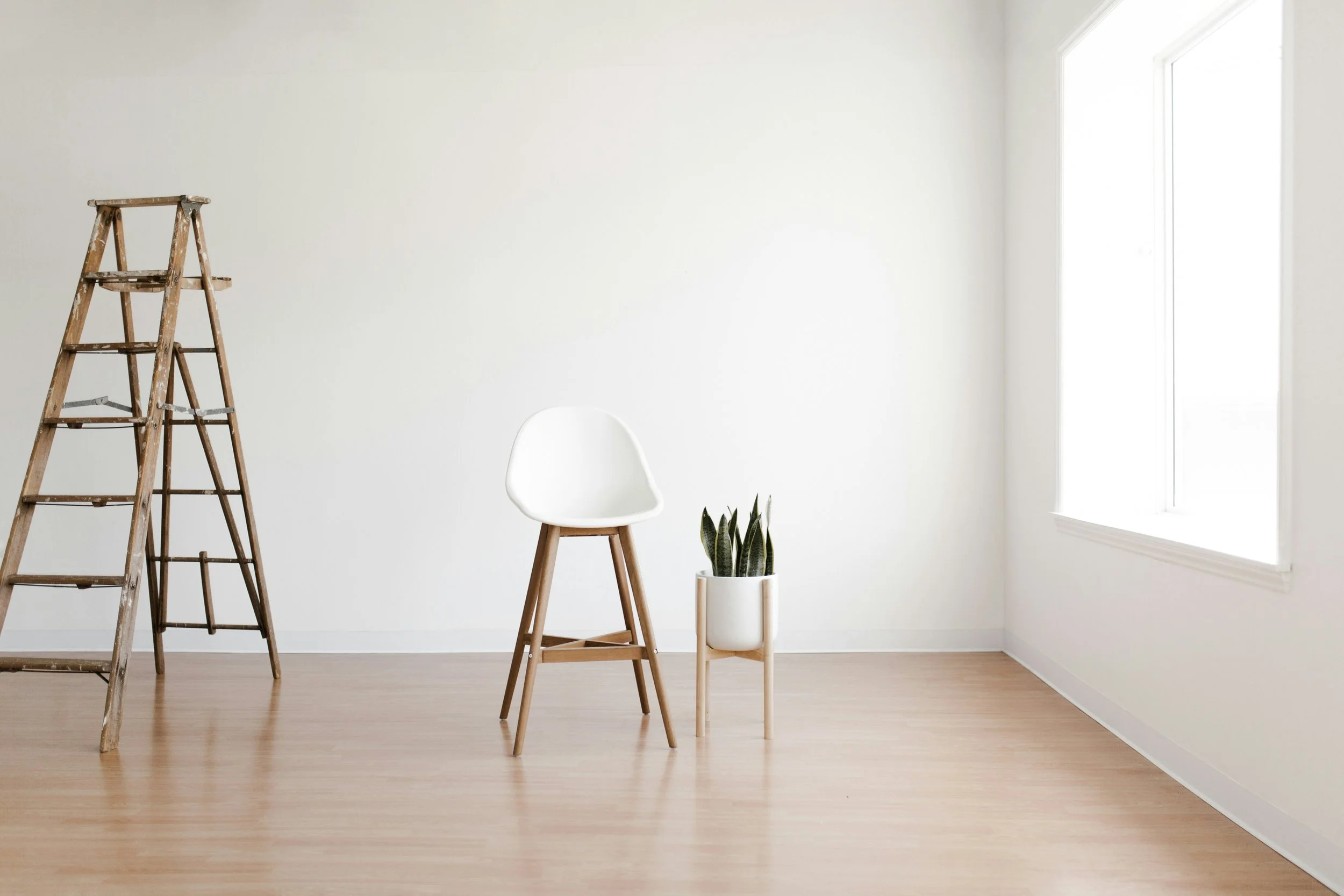
When your kids are getting ready to move out it can be an emotional time—but it’s also a great opportunity to refresh your home and your routines. Here’s a practical guide to help you organize the transition with your young adult in a way that feels respectful, thoughtful and manageable.
Start the conversation early
Before touching a single box, talk it through. Ask your kids what they want to keep, what they’d like to take, and what they’re ready to let go of. This avoids tension and helps you respect the emotional value of certain items as you work together as a team in this process.
Decide what each space will become
Before you start reorganizing, think about how you’d like to use the newly empty rooms. Will it be an office? Guest room? Creative studio? Home gym? Get clear on your goals so your changes feel intentional, grounded and inspired by what’s next.
Sort items with a simple system
Use the classic 3-pile method:
Keep – things they or you want to hang on to
Donate or sell – anything still useful but no longer needed
Store – meaningful memories to pack up and store safely
Use the idea of “past season” items to help decide what truly belongs to the next chapter. Being upfront avoids stress and keeps things moving forward.
Set clear expectations and deadlines
Decide together:
When will they pick up their things?
Who handles donation or resale?
What stays and what gets moved or cleared?
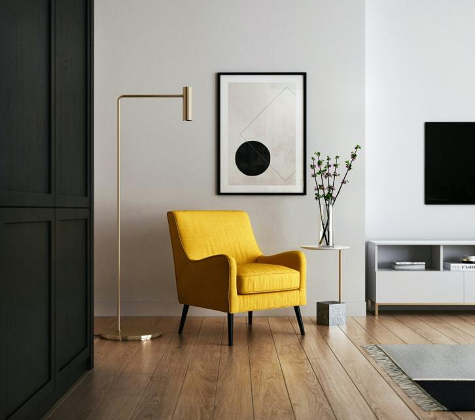
Redesign rooms with intention
Once a room is cleared out, turn it into something that truly fits your current life:
Add furniture that makes it a functional space (a desk, reading chair, shelves).
Create a storage plan that keeps everything easy to find.
Make sure everything has its place—that’s the secret to lasting organization.
Invite them into the process—emotionally and practically
Even if your child lives far away, involve them via video call to walk through final decisions. Ask what they’d like to be saved or donated. It honors their memories and helps both sides feel supported for the closure.
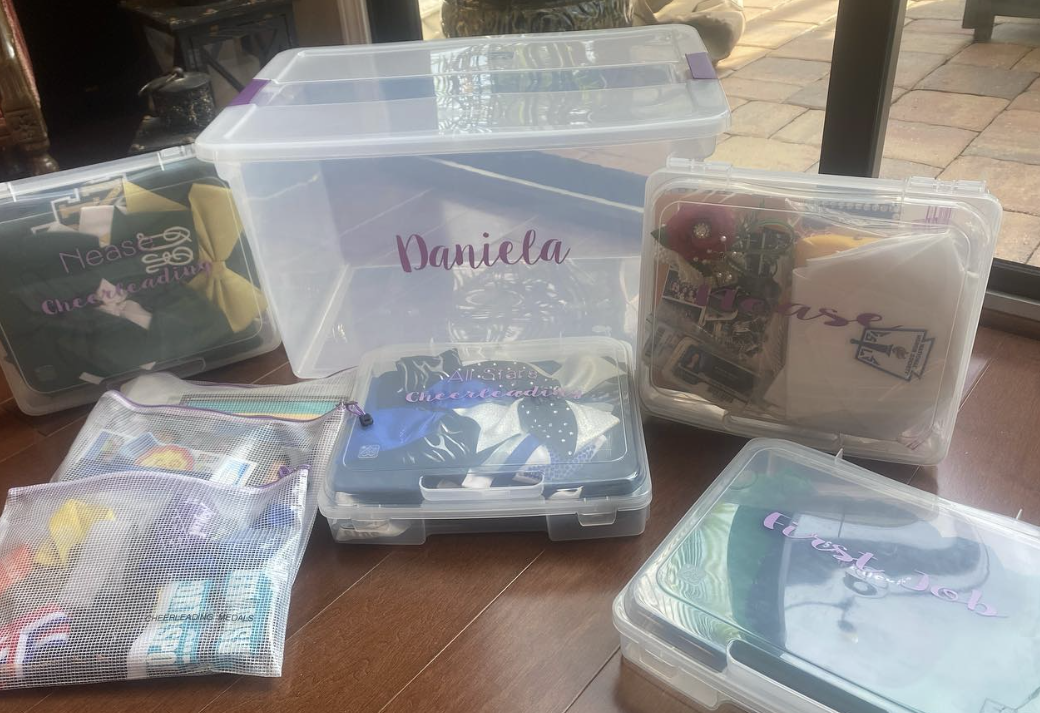
Create a small memory zone
Designate one box, shelf or drawer to keep special memories—photos, awards, childhood keepsakes. You don’t have to keep everything, just the things that really tell a story and you dearly appreciate.
Mark the transition with a small ritual
Once the space is ready, take a moment to celebrate the shift: a coffee break, a toast, a celebration dance, a walk through the newly updated room. Share memories, talk about the future and let the new chapter begin with meaning and excitement.
Make it personal—this is your new space, too
Turn the extra room into something that energizes or soothes you:
A yoga corner.
A hobby room.
A calm, clutter-free reading space.
A home office you actually enjoy using.
This step isn’t just about letting go—it’s about making room for you.
Keep it organized long-term
Once everything’s in place, do a quick check-in each month:
Are drawers staying tidy?
Is there anything you’re not using anymore?
Does the room still feel like your space?
A light routine will keep things from drifting back into chaos.
Bonus Reads for Inspiration
Decluttering for Your Empty Nest Life – Method Seattle: A helpful reflection on how less stuff can mean more space (physically and emotionally).
Empty Nest Organizing – See Your Way Clear: Step-by-step strategies to rework your kids’ rooms with (or without) them nearby.
Instagram post by Alejandra Rivera: https://www.instagram.com/p/B_fjR78pqgO/?utm_source=ig_web_copy_link
Final Thoughts
Organizing the nest before they leave isn’t just about decluttering and tidying up—it’s about creating clarity, closure and calm. When done with intention it becomes a meaningful milestone for both parents and kids. You get to make space, physically and emotionally, for the next version of your home and life.